Table of Contents
Hair has been deeply symbolic in folklore, mythology, and ritual practices across cultures. It represents identity, power, transformation, mourning, and liminality. Here’s an exploration of hair-related rituals in various traditions:
1. Hair as a Symbol of Life Force and Power
Hair is one of the few body parts that continues to grow after death, which has led to its association with vitality, fertility, and supernatural power.
💡 Examples:
- Samson (Biblical Mythology)
- In the Bible (Judges 16), Samson’s hair was the source of his supernatural strength. When Delilah cut it, he lost his power.
- This reflects a common belief that hair holds a person’s essence.
- Slavic Folklore: Hair as a Vessel for the Soul
- It was believed that cutting a child’s hair before their first birthday could weaken their soul.
- In some regions, witches were thought to steal hair to control people through magic.
2. Hair in Rites of Passage: Puberty, Marriage, and Mourning
Hair is often cut, covered, or styled differently at key life transitions.
a) Puberty and Initiation
- First Haircut Rituals
- In many cultures, a child’s first haircut is a sacred event, marking their transition into society.
- Hindu Mundan Ceremony: In India, children have their heads shaved in a purification ritual to remove negativity from past lives.
- Slavic Folklore: The first lock of hair was often kept as a talisman to protect the child.
b) Wedding Rituals: Hair as a Symbol of Status
- Bride’s Hair Transformation
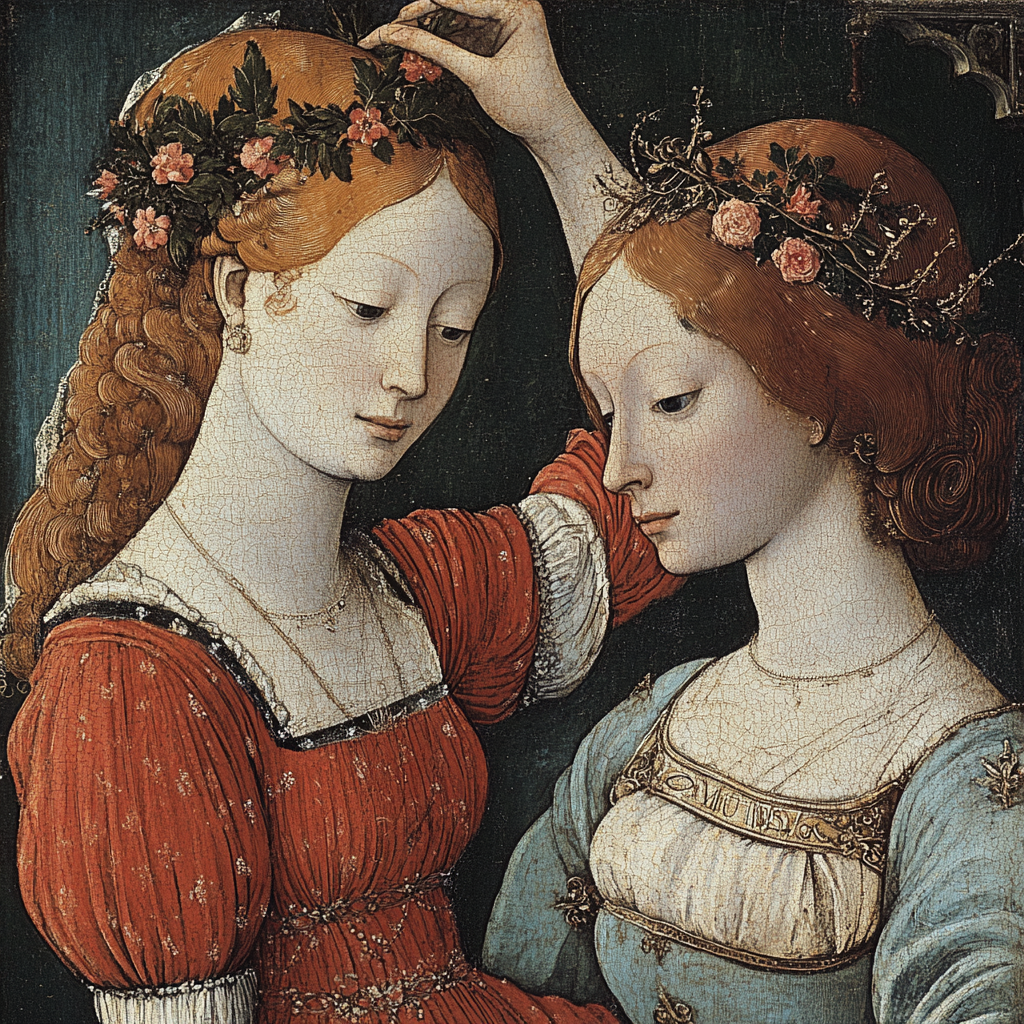
- Unmarried women often wore loose or braided hair, but upon marriage, their hair was covered or styled differently.
- Slavic Wedding Rituals:
- Before marriage, a girl’s hair was unbraided and combed for the last time in a ritual called devichnik (maiden’s farewell).
- The bride’s single braid was replaced with two, symbolizing her transition to womanhood.
- She was then given a headdress or kerchief (kokoshnik in Russia), signifying her new status.
💡 Symbolism: Loose hair = Maiden; Covered hair = Wife
- In many traditions, only unmarried women and spirits wore their hair down.
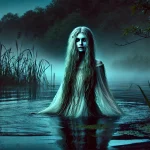
- This is why revenant women (Rusalki, Yūrei, Banshees) are often depicted with loose, flowing hair—they are trapped in liminality.
c) Mourning and Death: Hair as a Sign of Grief
- Cutting Hair in Mourning
- Egyptian and Greek Mourning Rites: Women cut their hair or tore it out to show grief.
- Slavic Mourning Traditions: Widows often let their hair down or shaved their heads as a sign of sorrow.
- Hindu Mourning (Shaving the Head): In India, men may shave their heads after a relative dies to symbolize detachment from earthly ties.
💡 Symbolism: Loose hair = uncontrolled grief; Cutting hair = severing emotional ties
3. Hair in Magic, Witchcraft, and Superstition
Because hair was seen as a vessel of personal essence, it played a key role in magic and sorcery.
a) Hair as a Tool for Magic & Protection
- Witchcraft: Using Hair to Cast Spells
- In many cultures, witches and sorcerers were believed to steal hair to cast spells on people.
- Folk magic practices often involved using hair to make love charms or curses.
- African Voodoo & European Folk Magic:
- Hair was incorporated into dolls and effigies to bind a person’s soul.
- Protective Hair Amulets
- In Russia and Eastern Europe, a child’s first cut lock of hair was kept in a pouch for protection.
- In medieval England, people burned their hair trimmings to prevent witches from using them.
b) Hair and the Evil Eye
- Unkempt Hair as a Bad Omen
- In many traditions, messy or unbrushed hair was believed to attract evil spirits or the evil eye.
- In Arab and Mediterranean folklore, combing one’s hair at night was thought to invite djinn or spirits.
4. Hair in Funerary Rituals and Revenant Beliefs
Hair’s connection to life after death appears in multiple cultures.
a) Hair and Revenants
- Unbraided Hair = Unfinished Business
- Many ghosts and revenants (Rusalki, Yūrei, La Llorona) are depicted with loose, flowing hair.
- This suggests they died before completing their social role (e.g., before marriage or childbirth).
- Corpse Hair Growth as an Omen
- In Slavic and European folklore, if a dead person’s hair continued to grow, they were at risk of becoming a vampire or revenant.
- Exhumed “vampires” were often found with long hair and nails, reinforcing the belief in their continued life.
b) Burying or Burning Hair to Prevent Haunting
- To prevent the dead from returning, their hair might be burned or cut before burial.
- Some folklore suggests that leaving a dead person’s hair unbraided would trap them as a restless spirit.
5. Hair and Sexuality: The Danger of Unbound Hair
- Many societies associated loose hair with sexual temptation.
- Women with long, flowing hair were often seen as both desirable and dangerous.
💡 Examples:
- Christian Medieval Beliefs:
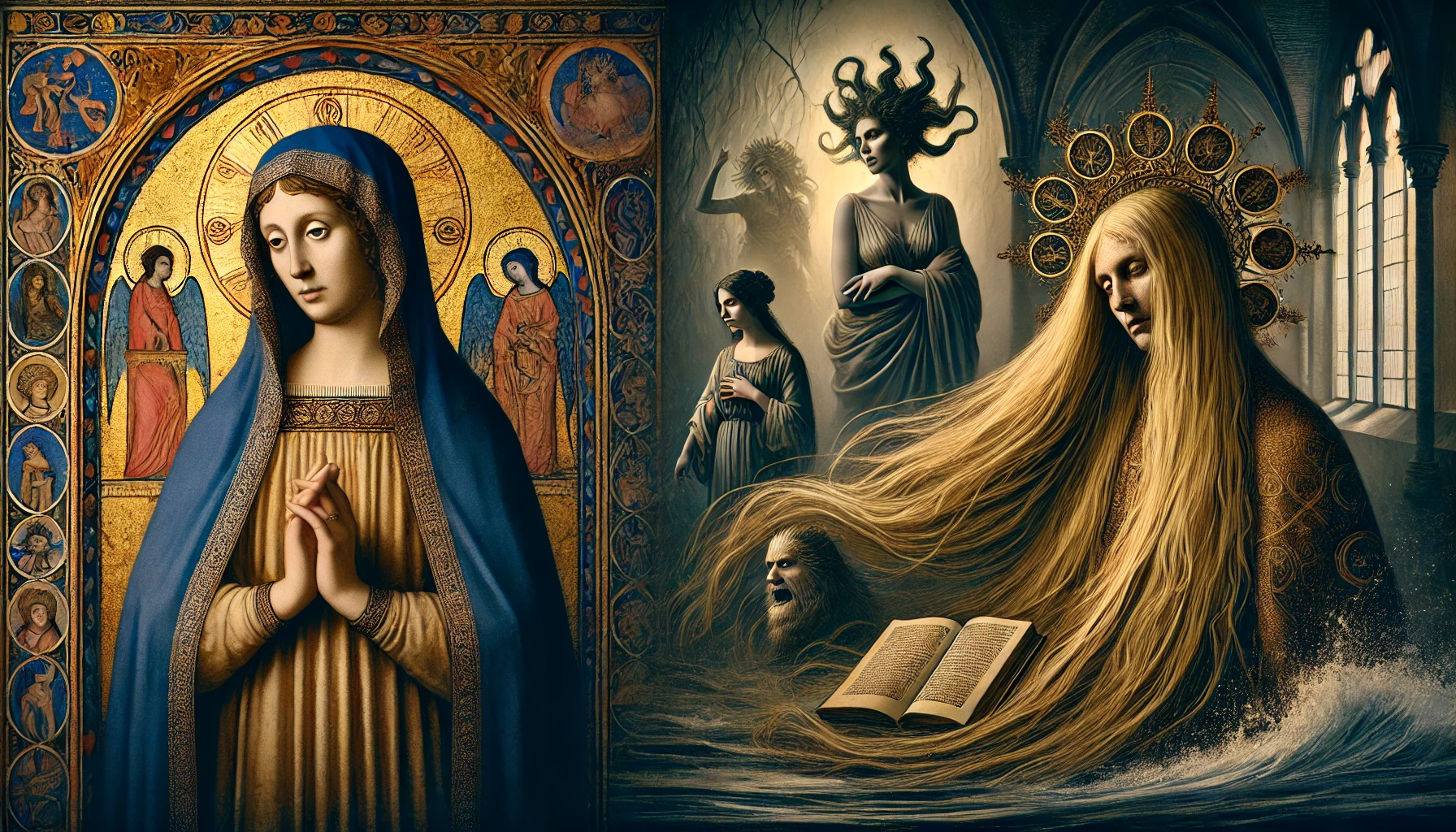
- The Virgin Mary is usually depicted with covered hair (modesty).
- Mary Magdalene, as a reformed sinner, is shown with long, uncovered hair.
- The Femme Fatale Trope:
- Many dangerous women in folklore (e.g., sirens, succubi, rusalki) have long, unbound hair, symbolizing their wild, uncontrolled sexuality.
Conclusion: Hair as a Ritualistic and Liminal Symbol
Across cultures, hair represents identity, sexuality, mourning, and transformation. It is cut, covered, let down, or stolen at key life, death, and magical moments.
Summary of Hair-Related Rituals
| Ritual | Culture/Region | Symbolism |
|---|---|---|
| First Haircut | Hindu (Mundan), Slavic, Jewish (Upsherin) | Removing past negativity, initiation |
| Bride’s Hair Change | Slavic, Christian, Islamic | Maiden → Wife transition |
| Cutting Hair in Mourning | Ancient Greece, Egypt, India, Slavic | Grief, detachment |
| Unbound Hair in Death | Japan (Yūrei), Slavic (Rusalki) | Liminal state, unfinished life |
| Hair Used in Witchcraft | European, African, Middle Eastern | Magic, control, love/spells |
| Shaving Head for Purification | Hinduism, Buddhism, Monastic Traditions | Spiritual renewal |
Hair is more than just appearance—it is a powerful ritualistic tool tied to social status, life transitions, magic, and the supernatural.